 In Stock
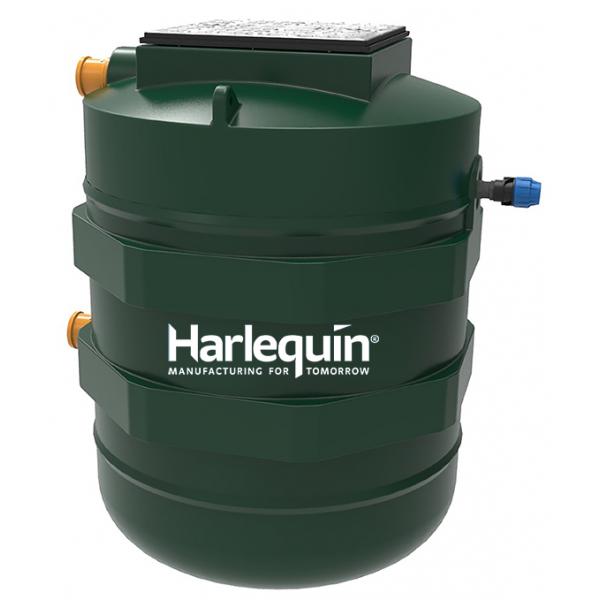
Harlequin 1550 Litre Sewage Single Pump Station | 1550PSV1*
Harlequin
Description
The Harlequin 1550L Sewage Pump Station is suitable for pumping sewage from a property to either a mains sewer connection, sewage treatment plant or septic tank. This chamber can also be used for pumping final stage effluent from a sewage treatment plant to a watercourse (subject to obtaining EA permits).
Harlequin pump chambers are manufactured from rotationally molded polyethene making them stronger and easier to handle than some of the GRP alternatives.
There is a twin pump version of this pump station.
** Pump Station Installation Guide **
** 1550L Pump Station Specification **
** 1550L Pump Station Drawing **
H ** arlequin Pump Station Brochure **
Specifications:
Model: 1550PSG1
Capacity (litres): 1550
Invert Depth (mm): 1075 / 675
Outlet Depth (mm): 440
Overall Depth (mm): 1625
Diameter (mm): 1200
Outlet Connection (mm): 63
Inlet Diameter (mm): 110
Cover Dimensions (mm): 600 x 600
Cover Duty: Pedestrian
Pump: DAB -Stainless Steel
Pump Voltage: 220-240V 50Hz
Weight (kg): 85
Benefits of the Harlequin Effluent Pump Station
Durable & Stable Product – Made from tough durable polyethylene, it is easy to transport and has a wide base for stability.
Easy to install – Simple yet effective pipework makes it extremely easy to install.
Saves Money – With an easy installation due to the systems compact size and lightweight, it also promotes low maintenance reducing costs.
Compact System – A perfect compact solution providing 24-hour pump & storage capabilities for domestic applications.
When do you need a pump station?
When the cost of groundworks to allow sewage to flow by gravity outweighs the cost of a sewage pumping station.
When the sewer line passes over a ridge.
If basement floors are too low to allow sewage flow by gravity.
Where gravity system has not been built.
What is a sewage pumping station and how does it work?
A pumping station is made up of a large tank, known as a wet well, that acts as the receiver for sewage from a building or a group of buildings. Sewage from individual houses flows into the wet well.
The sewage will then sit in the well until it reaches a predetermined level. Once it reaches this level, a pump will kick in to pressurise the sewage so that it will travel out of the wet well, uphill, to a point where it enters the main sewer, or that it can then travel into the main sewer using gravity.
Advantages of a Sewage Pump Station
-
A pump station offers convenience when installing a sewage system, and has the potential of cutting construction costs.
-
Pump stations are fitted with remote monitoring systems, which keep operators updated.
-
Sewage is pumped automatically without any human contact, which eliminates the risk of health problems.
-
Different sizes of pumps are available for domestic applications and commercial applications.
-
The intake of the pumps is often wide to prevent blocking.
-
Sewage pumping systems are fitted with alarms to alert you to problems with the system. This minimises the risk of sewage overflowing as you are alerted quickly.
What is a Grinder Pump?
Waste from water-using household appliances (toilets, bathrooms, washing machines etc.) flows through the home’s pipes into the grinder pump’s holding tank. Once the wastewater inside the tank reaches a specific level, the pump will turn on, grind the waste into a fine slurry, and pump it on to its next destination.
Offloading
It is the customer's responsibility to offload with suitable equipment on the day of delivery and a failed delivery may result in additional charges.
Option for HIAB offload available on request at additional cost.
We recommend installers and/or plant hire & materials for install such as excavators, aggregates etc are not booked until you are in receipt of the goods. Direct Drainage cannot be held responsible for costs incurred due to unforeseen delays.
Lead times should only be used as a guide and are subject to change, please call our friendly team to confirm delivery and off-loading details on 01388 537 050.
Standard Commissioning
A Standard Commissioning carried by an RA Dalton Ltd accredited Engineer will include the following:
-
Carry out visual checks of the installation
-
Check the installation meets the manufacturer’s requirements, installed within their guidelines
-
Check all mechanical components
-
Check blower pressure, air hose, (aeration only)
-
Check clean air intake to blower housing/kiosk (aeration only)
-
IPS Models – check and test integrated pump
-
Test and set any alarms supplied with the unit (PPFDS, high Level Float)
-
Make any minor adjustments
-
Make any final connections
-
Provide a commissioning certification
On completion, RA Dalton will provide a site specific commissioning certificate
PLEASE NOTE: WE WILL ASK THAT A PRE COMMISSIONING CHECKLIST IS COMPLETED PRIOR TO ARRANGING ATTENDANCE TO ENSURE THE LEVEL OF COMMISSIONING REQUIRED IS STANDARD
More from Direct Drainage
View all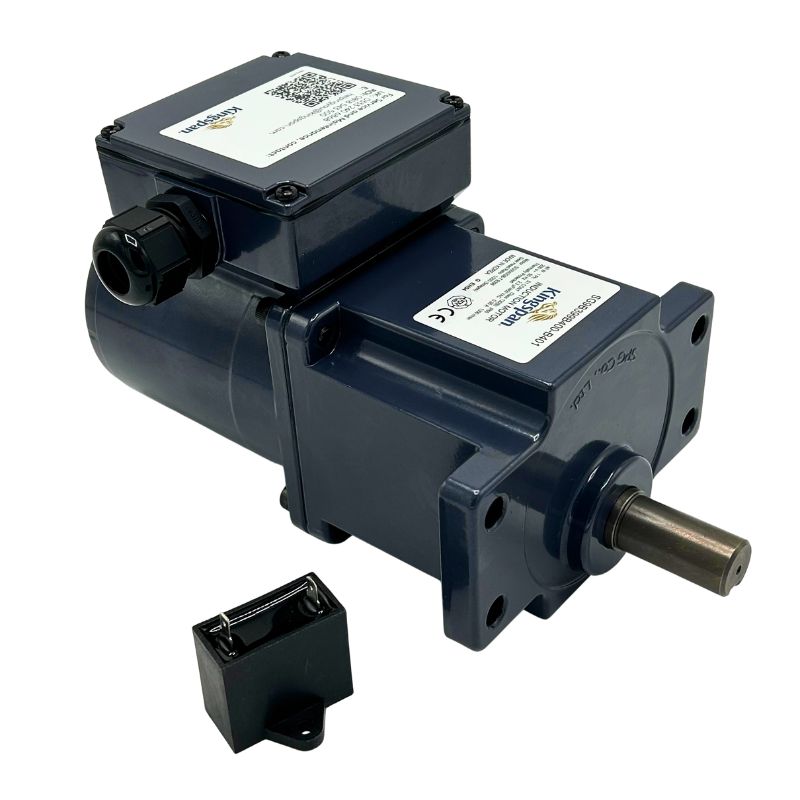 In Stock-9%
Klargester BA/BA-X/BB BioDisc Motor and Gearbox | 1015023
Kingspan Klargester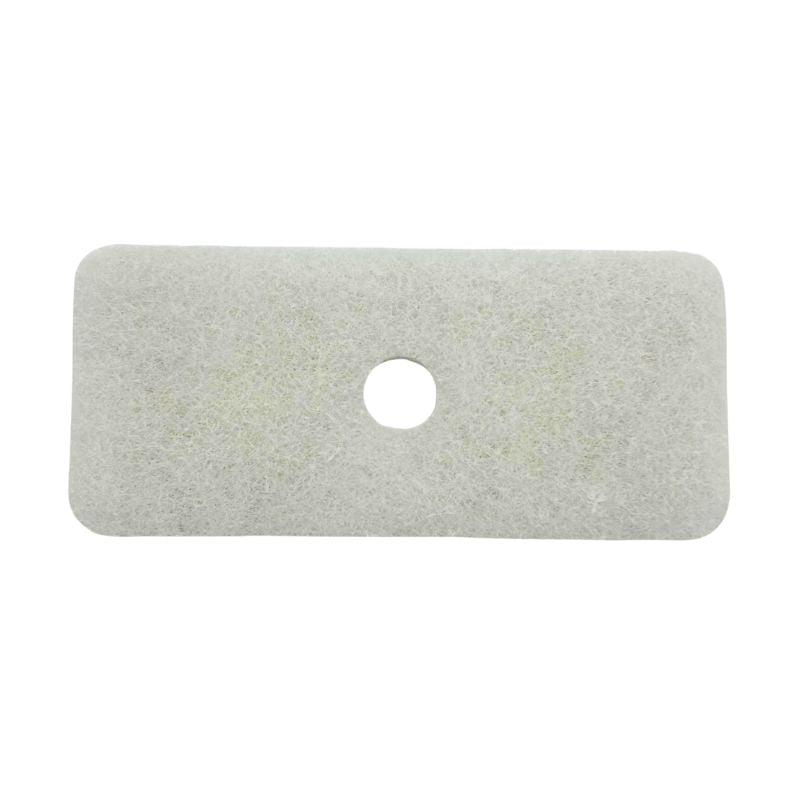 In Stock-40%
Secoh SE30 JDK 40-50 Filter for Secoh Blowers
Secoh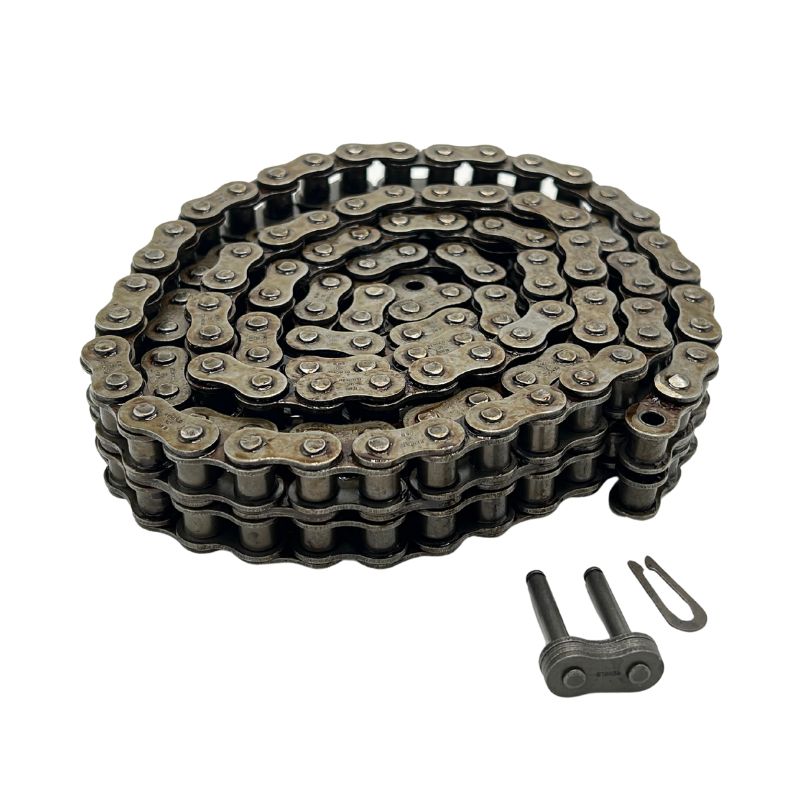 In Stock-32%
BC BioDisc ½” Duplex Chain with Link – 5ft
Kingspan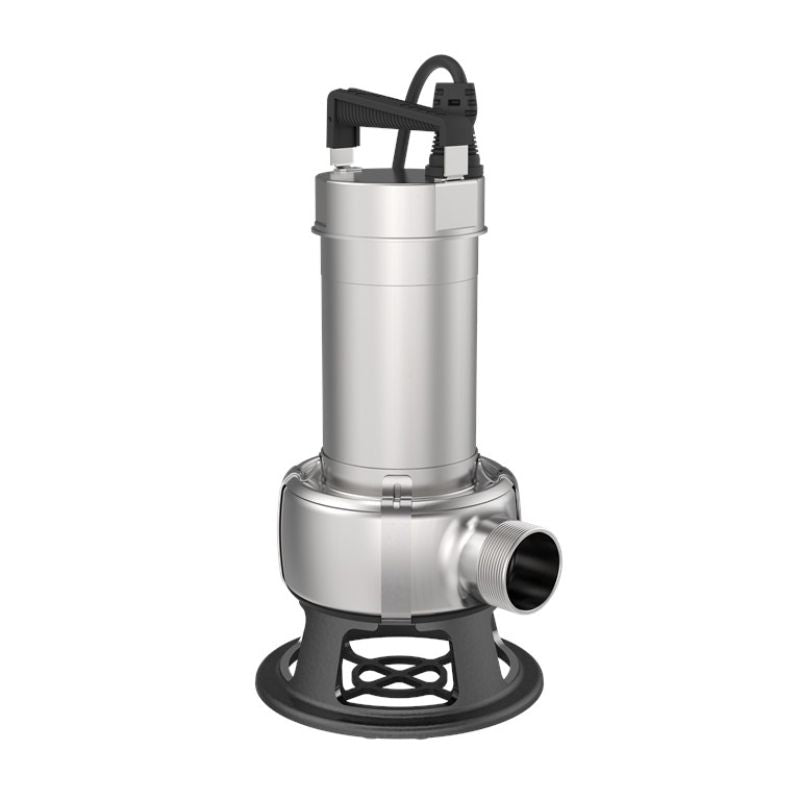 In Stock-47%